
Congratulations! You’ve signed your last will. You’ve thoughtfully appointed a personal representative (aka, your executor) and decided how your assets will be distributed. But where do you keep it?
Most people want to store it safely and securely, and this often means the bank’s safe deposit box. These are fireproof, theft-proof, and secured in a steel vault. Seemingly, an ideal solution.

Actually, safe deposit boxes are not the best option for storing original wills: ironically, locking up this critical document can easily create a frustrating roadblock for the very people you want to help.
The Safe Deposit Box Trap
The issue is access. After you pass away, the bank will not allow your personal representative to walk in and open your box—even with a key. Upon notification of your death, most financial institutions are required to freeze the contents of a safe deposit box, just as they would for a cash account.
Meet the Catastrophic Consequence
In other words, she cannot get the will without the court’s permission, and yet cannot get the court’s permission without the will.
Naturally, legal remedies exist, but they involve filing special petitions with the court, presenting a death certificate, and waiting for the bank and court to coordinate access. If the key is lost, the box may need to be drilled open—an additional significant expense.
All of this results in unnecessary delays, increased legal costs, and profound stress during an already challenging time.
A Smarter Strategy: Secure and Accessible
So, if not a bank vault, where should you keep your will? The answer is more straightforward and closer to home than you think. The goal is to strike a balance between security and accessibility.
Store your last will in a place that is:
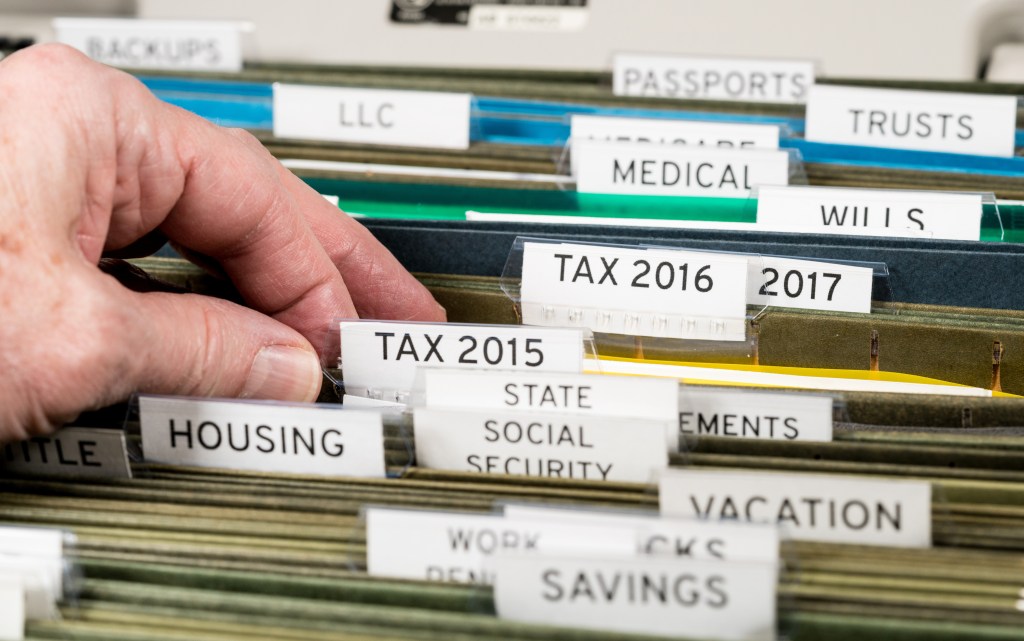
- Secure from Common Household Risks. Your primary goal is to protect the document from the most common household hazards, such as water damage or accidental disposal. Consider locations that are elevated, dry, and intentionally chosen. A sturdy file cabinet in a home office, a high shelf on a bookcase in a study, or a specific drawer in a desk are all excellent choices. These spots are naturally protected from a burst pipe in the basement or an accidental spill in the kitchen. By placing the will in a clearly labeled folder, binder, or large envelope, you also ensure it won’t be mistaken for clutter and discarded.
- Known to Your Executor. This is the most crucial step. A last will and testament is of no use if it cannot be found. Once you’ve chosen a storage spot, you should tell your personal representative (and any named alternate) exactly where it is or how to find it.
“But What If It’s Lost or Destroyed at Home?”
This is a valid concern, but the risk of total loss is often less problematic than the risk of delay when a safe deposit box is used.
Second, if the original will is truly lost or destroyed, it is often possible to have a signed copy admitted to probate. Your attorney, among others, should have one. As always, extra legal steps will be needed (to prove the copy is authentic and not intentionally revoked), but this is a well-established procedure and, for many families, a more straightforward process than navigating the red tape of accessing a decedent’s bank box.
- Value: For those new to planning, this may mean a rigorous yet simple plan that includes a last will to name guardians and powers of attorney for incapacity. It’s a modest investment and great value—the cost of mid-range tires on your car, except that it comes with a durable ease of mind.
- Efficiency: The most efficient firms that offer quality services won’t make you spend hours in transit. Much of the planning process, from initial information gathering to reviewing drafts, can now be handled virtually, making it compatible with a busy schedule.
- Expert Guidance: Here, the key is to balance the risk of buying generic, one-size-fits-all forms against spending heftily for specialized services designed to handle rare, complex situations (which yours probably is not). An experienced, tech-savvy attorney well-versed in Wisconsin law can spot the difference and provide personalized documents that account for the nuances of Wisconsin law without asking you to accept overly complex planning.
The takeaway is simple: In uncertain times, taking small, high-impact steps to protect your family is a smart choice. It’s the best way to avoid the dire consequences of passing away or becoming incapacitated unexpectedly, allowing you to stay focused on your everyday challenges.
Don’t leave your family’s security to chance. Reach out to Cain Estate Law today for your complimentary consultation. Take the first step toward protecting your loved ones and securing your peace of mind. Contact Attorney Tyson Cain to discuss your needs and learn how easily you can put the right plan in place.
- Book a Zoom consultation (evenings and weekends are fine!)
- Send e-mail to Tyson@CainEstateLaw.com
- Call 715-301-0055

Disclaimer: This post is for educational purposes only and does not create an attorney-client relationship. Always consult a qualified estate planning attorney about your specific situation.
 The Testamentary Writ
Leave a comment